
Home Disaster Preparedness
Be Ready for the Unexpected
Emergencies can happen at any time, and the safety of your loved ones and property depends on how well you're prepared. Whether it's a natural disaster like a hurricane or earthquake, or an unexpected home emergency like a fire or power outage, having a disaster preparedness plan in place can make all the difference. Here are some practical steps to help you prepare your home and family for any unexpected event.
1. Create an Emergency Plan ✏️
The first step in home disaster preparedness is to create a detailed emergency plan. This plan should outline what to do in different situations and where to go for safety. Involve every member of your household in the process and ensure everyone knows their role.
Designate an Emergency Meeting Spot: Choose a safe location outside your home where everyone can gather in case of evacuation. If you're separated during the emergency, establish an out-of-town contact person whom everyone can call.
Know Your Evacuation Routes: Familiarize yourself with multiple escape routes from your home and neighborhood. Don’t rely on just one exit, especially if roads are blocked or compromised.
Practice Regular Drills: Just like fire drills, practice your emergency plan regularly. This helps everyone know exactly what to do and reduces panic during actual emergencies.
2. Assemble an Emergency Kit 🎒
An emergency kit is a crucial part of your disaster preparedness. It ensures that you have the basic supplies you need to survive and stay safe, especially if you need to shelter in place or if help is delayed. Keep your kit in a designated, easily accessible location.
Essential items to include in your emergency kit:
Water (one gallon per person per day for at least three days)
Non-perishable food (canned goods, energy bars, and ready-to-eat meals)
Flashlight and extra batteries; consider getting solar lanterns and keep them charging by a window
First aid kit (with bandages, pain relievers, antiseptics, etc.)
Medications (for at least a week’s supply)
Personal hygiene items (toothbrush, soap, hand sanitizer, etc.)
A multi-tool or basic toolkit
Important documents (insurance papers, identification, medical records) stored in a waterproof container
Cash (ATMs may not be working during a disaster)
A battery-powered radio (to receive emergency alerts)
Blankets, sleeping bags, and warm clothing if you live in cold climates
3. Secure Your Home 🏠
Home safety and preparedness also involve ensuring your house can withstand the impact of a disaster. A few simple adjustments can go a long way in protecting your home and minimizing damage.
Strengthen Your Structure: Secure heavy furniture, appliances, and electronics to the wall to prevent them from tipping over. Reinforce windows and doors if necessary to withstand strong winds or earthquakes.
Check Your Roof and Foundation: Make sure your roof is in good condition, and inspect the foundation for cracks. Having these areas repaired before disaster strikes can save you from costly repairs and potential hazards down the road.
Install Smoke and Carbon Monoxide Detectors: Make sure smoke alarms are installed in every sleeping area and hallway. Test them monthly, change the batteries twice a year, and replace units that are more than 10 years old. Don’t forget carbon monoxide detectors in key areas of your home.
Create Fire Breaks Around Your Home: If you live in an area prone to wildfires, clear brush, dead trees, and other flammable materials from around your house. Consider creating defensible space to reduce the likelihood of fire spreading to your home.
4. Stay Informed 📢 📻
Knowledge is power when it comes to disaster preparedness. Stay updated on weather conditions and emergency alerts, especially during high-risk times like hurricane season or the start of wildfire season.
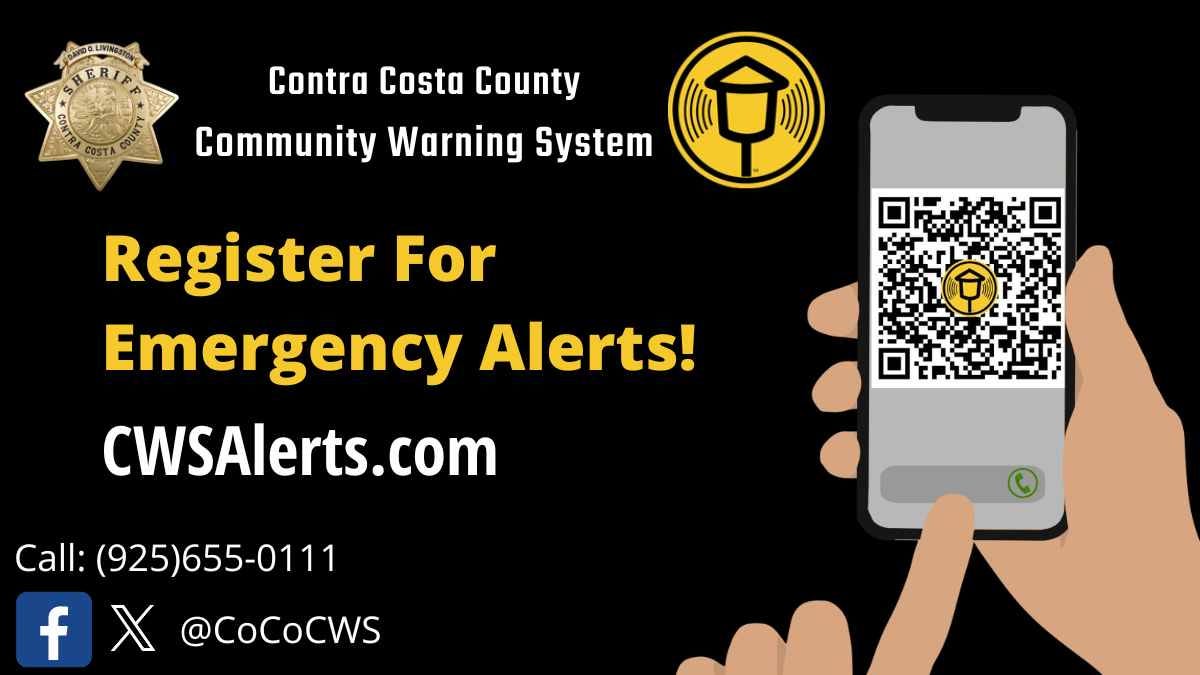
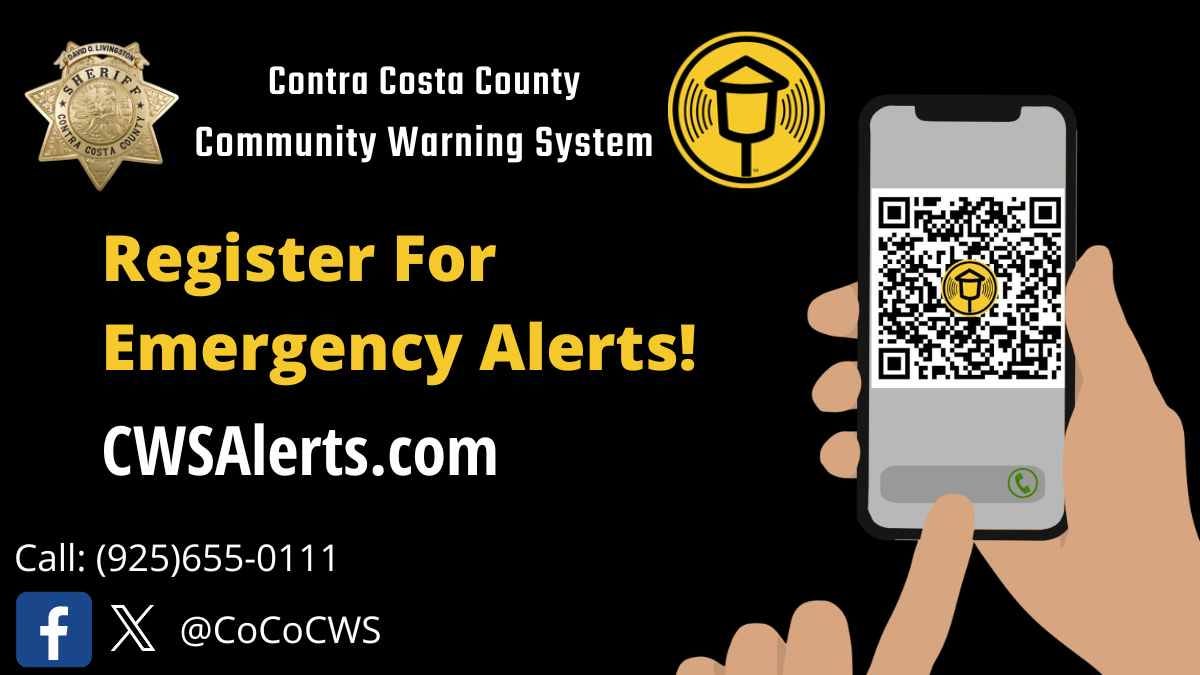
Sign Up for Emergency Alerts: Nixle is a public notification system used by local agencies to send alerts, advisories, and community information to residents. It provides real-time notifications via text, email, and web, covering events like emergencies, traffic, and community news. In Richmond, CA, Nixle is used by the city and local agencies, including the police department. Simply text your zip code to 888777 to receive alerts via text message. You can also sign up for emergency notifications from the Contra Costa Warning system. Click on the Register for CWS Alerts tab.
Monitor Local News: Tune in to local radio stations or news channels for real-time updates during an emergency. If you have internet access, follow trusted social media accounts and websites for reliable information. In Richmond, the primary radio station for emergency information is KCBS 740AM/106.9FM.
Download Emergency Apps: Many apps are available for monitoring weather alerts, locating evacuation routes, or even connecting you with first responders. These can be lifesavers in an emergency situation. Some examples include: Genasys Protect (provides fire evacuation zone numbers and alerts), PulsePoint, Watch Duty (provides information about wildfires). You can also sign up for the My Shake app, which will provide earthquake early notifications to your phone. The My Shake app gives you several seconds advance warning before the earthquake wave reaches you allowing you to duck cover and hold saving you from being thrown and injured.
5. Prepare for the Unexpected ⚡💦
Home emergencies can happen without warning. Be ready for the unexpected by staying flexible in your preparedness.
Know How to Turn Off Utilities: Familiarize yourself with how to turn off gas, water, and electricity at the main supply points in your home. This can help prevent fires or flooding after a disaster.
Consider Special Needs: If you have young children, elderly family members, or pets, plan accordingly. Make sure you have the necessary supplies for babies (diapers, formula, etc.) and medications for elderly or chronically ill family members. Keep extra food, water, and comfort items for pets, along with their identification tags and microchip information.
Backup Power: If you live in an area prone to power outages, consider investing in a generator or battery backup system to keep essential devices running (like medical equipment, lights, or a refrigerator). Remember to store extra fuel if you’re using a gas-powered generator.
6. Insurance and Financial Preparation 💰
Having the right insurance coverage and financial preparedness is just as critical as having physical supplies. Make sure your homeowners or renters insurance includes coverage for disasters relevant to your region, such as floods, fires, or earthquakes.
Review Your Policy: Regularly review and update your insurance policy to ensure that your home and belongings are properly covered. Understand any exclusions and limits of your policy.
Document Your Belongings: Take photos or videos of your valuable possessions and store them in a safe, cloud-based location. This documentation can help you file claims and recover losses more quickly after a disaster.
Emergency Fund: Having an emergency fund in place is essential to cover unexpected expenses, such as temporary housing, medical bills, or replacing damaged property.
Conclusion: It’s Better to Be Safe Than Sorry
Disaster preparedness isn’t about worrying; it’s about empowering yourself and your family with the tools and knowledge to act confidently when an emergency arises. While we can’t predict when disaster will strike, we can certainly prepare for it. By taking the necessary precautions and assembling the right supplies, you can ensure that your home remains a safe haven during any crisis. Stay prepared, stay safe, and remember: being ready today can make all the difference tomorrow.
Home Disaster Preparedness Class
Home Disaster Preparedness: video
If you would like to request a Home Preparedness Class for your community, please fill in this Form.